A low-speed bump in a car park can feel like a minor mishap.
A scraped bumper, a clipped mirror, no one injured, nobody around.
For some drivers, the instinct is to leave a note, drive off and deal with it later. For others, it is to assume that because the collision was minor, nothing more is required.
That can turn a small accident into a much more serious legal problem.
Under section 170 of the Road Traffic Act 1988, drivers involved in certain accidents have legal duties to stop, provide details and, where those details are not exchanged at the scene, report the accident. The legislation applies where personal injury is caused or specified property is damaged.
A parked vehicle counts.
Leaving the scene can create a separate offence
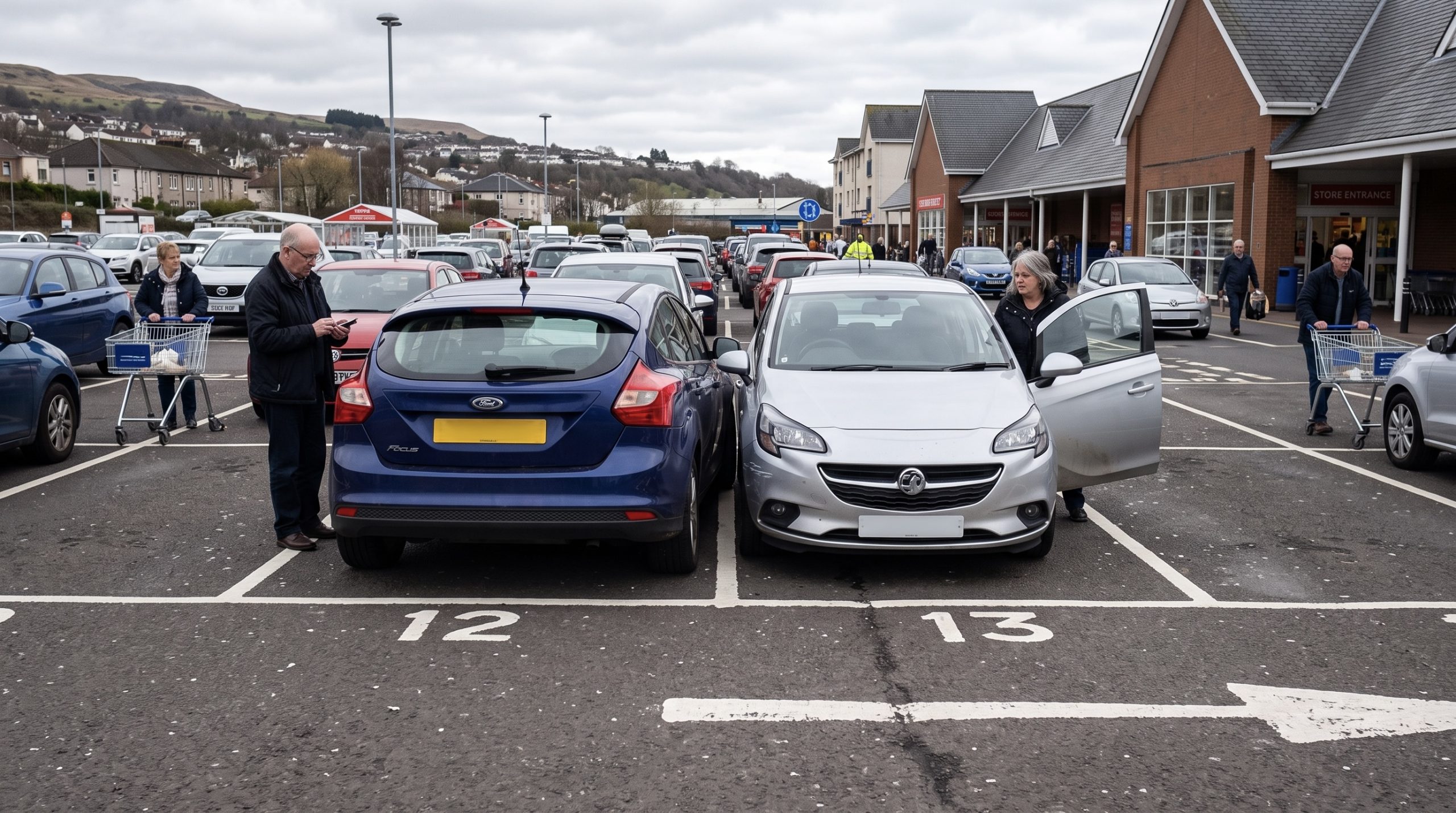
Suppose you reverse into an unattended car in a supermarket car park.
Nobody is hurt. The damage appears superficial. You cannot find the owner, so you leave your telephone number under the windscreen wiper and go home.
You may feel you have acted reasonably.
The legal question is whether you have actually complied with the statutory duties.
Where the required details are not given to a person who is reasonably entitled to ask for them, the accident may also need to be reported to the police within the prescribed period. The obligation is not simply to decide for yourself that the damage is too minor to bother with.
The consequences can be significant. GOV.UK lists 5 to 10 penalty points for failing to stop after an accident and the same range for failing to give particulars or report an accident within 24 hours. Disqualification is also available to the court.
For somebody who drives for work, runs a business or already has points on their licence, an allegation arising from a few seconds in a car park can therefore become anything but minor.
“I left a note” does not answer every question
Cases of this kind often turn on the facts.
What happened at the point of impact?
Was there damage?
Did the driver know an accident had occurred?
Did they stop?
What information was provided?
Was anybody present who could receive the details?
Was the matter subsequently reported?
Those questions can matter much more than the driver’s own description of the collision as “just a bump”.
There is also an obvious evidential issue. Modern car parks, streets and residential developments are covered by CCTV, doorbell cameras and vehicle cameras. A driver who assumes nobody saw what happened may later find that the police already have footage, a registration number and a witness account.
At that stage, explaining the sequence properly becomes important.
A failure-to-stop allegation is not the same as proving the underlying accident was your fault
This is where drivers can make another mistake.
Being contacted by the police after an accident does not automatically determine every issue in the case.
The prosecution still has to establish the offence alleged and prove the necessary facts. Depending on the circumstances, there may be issues around knowledge of the collision, the nature of any damage, what was done immediately afterwards and whether the statutory requirements were met.
That is why an early account given without understanding the legal position can be unhelpful.
Road Traffic Defence deals with motoring prosecutions throughout Scotland. If the police have contacted you about an allegation of failing to stop or failing to report an accident, the sensible time to take advice is before you decide that the incident is too trivial to require it.
The collision itself may have lasted two seconds.
The allegation that follows can put 5 to 10 points — and potentially your licence — in play.
Contact Road Traffic Defence for advice before responding to the allegation.